Savoir-faire · March 2026 · 6 min
The proportion sheet
Why the house forfeits up to nine percent of every rough stone before a single facet is polished.
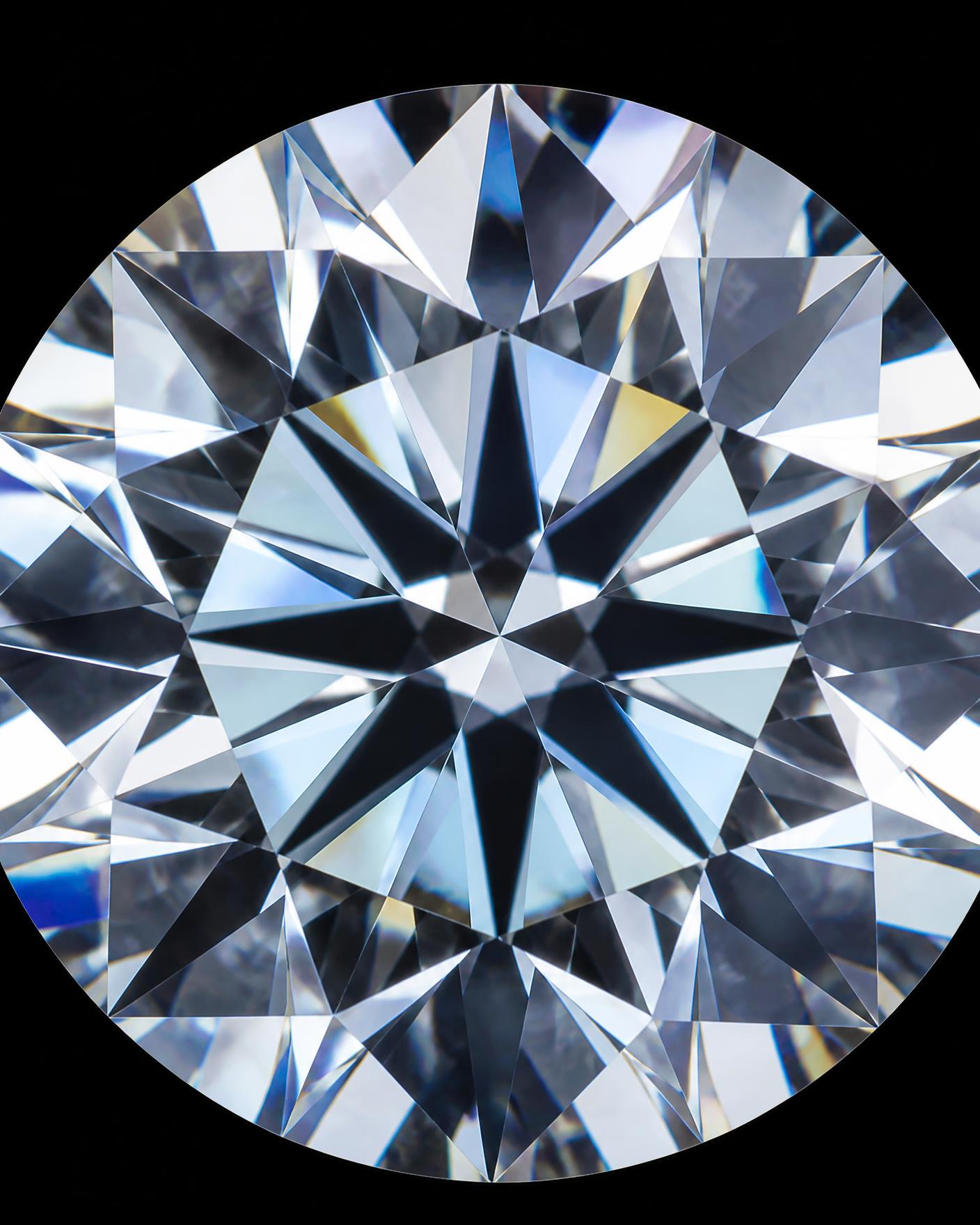
Every cutting house works from a proportion sheet. Most inherit theirs from the market: angles chosen to retain weight, because weight is what a scale can price. Ours was written against a different instrument — a hemispherical light box that measures what leaves the stone rather than what remains in it.
A pavilion angle of 41.2 degrees returns more light to the eye than the commercial 40.6, but costs between six and nine percent of rough weight. Across a year of production that is a figure no accountant enjoys reading. It is also the difference between a stone that shines and a stone that behaves like a lens.
The sheet is revised twice a year. Each revision is tested on twelve stones cut both ways, then read blind by three cutters who are not told which is which.
“Weight is what a scale can price. Light is what a person remembers.”